A portfolio measured in decades, not deliverables.
Six long-running programmes, one philosophy, and fifteen communities that have stayed at the heart of it all.
What we do — and how.
Every project we run began the same way: with a community coming to us with a problem we did not yet understand. We spent months, sometimes years, learning enough to be useful. Then, and only then, did we make a commitment.
The result is a portfolio that looks small on paper — six programmes in three counties — but runs deep in the villages where we work. Every school we support has been supported for at least a decade. Every clinic has a maintenance plan reaching into the 2040s. Every cooperative is governed, staffed, and paid for by the women who lead it.
This page is a full portrait of that portfolio. Read it as a promise, not a brochure.
Education Initiatives
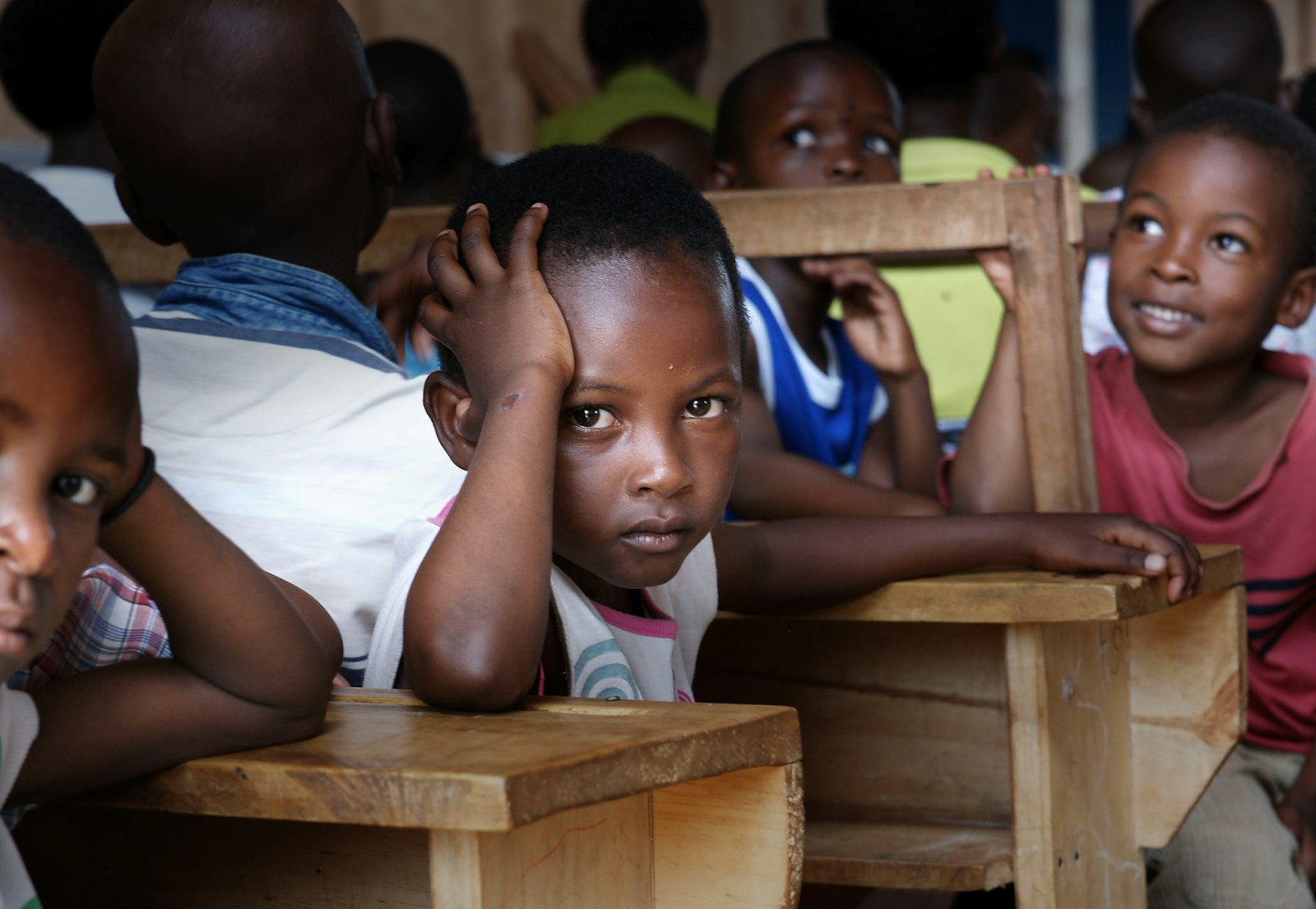
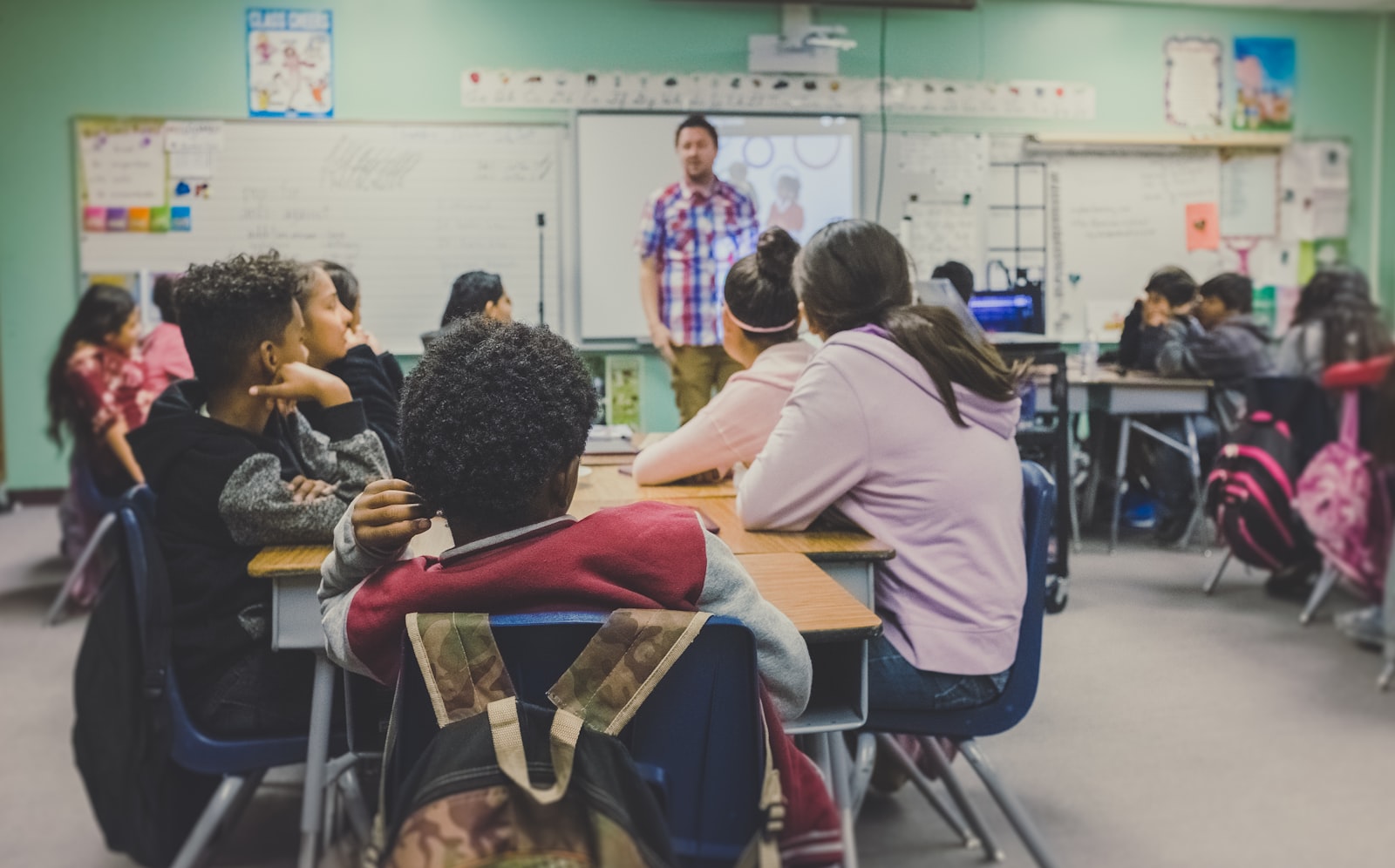
We build classrooms, train teachers, and supply learning materials so that every child in our partner communities can attend school through secondary level.
We measure success not in launches but in what happens in year seven, year ten, year fifteen. This programme's current field team includes 6 full-time staff, all Kenyan nationals, several of whom grew up in the communities they now serve.

Healthcare Support
Our clinics and mobile outreach programs bring primary care, vaccinations, and maternal support to remote villages where a hospital is a day's journey away.
We measure success not in launches but in what happens in year seven, year ten, year fifteen. This programme's current field team includes 7 full-time staff, all Kenyan nationals, several of whom grew up in the communities they now serve.
Sports Development
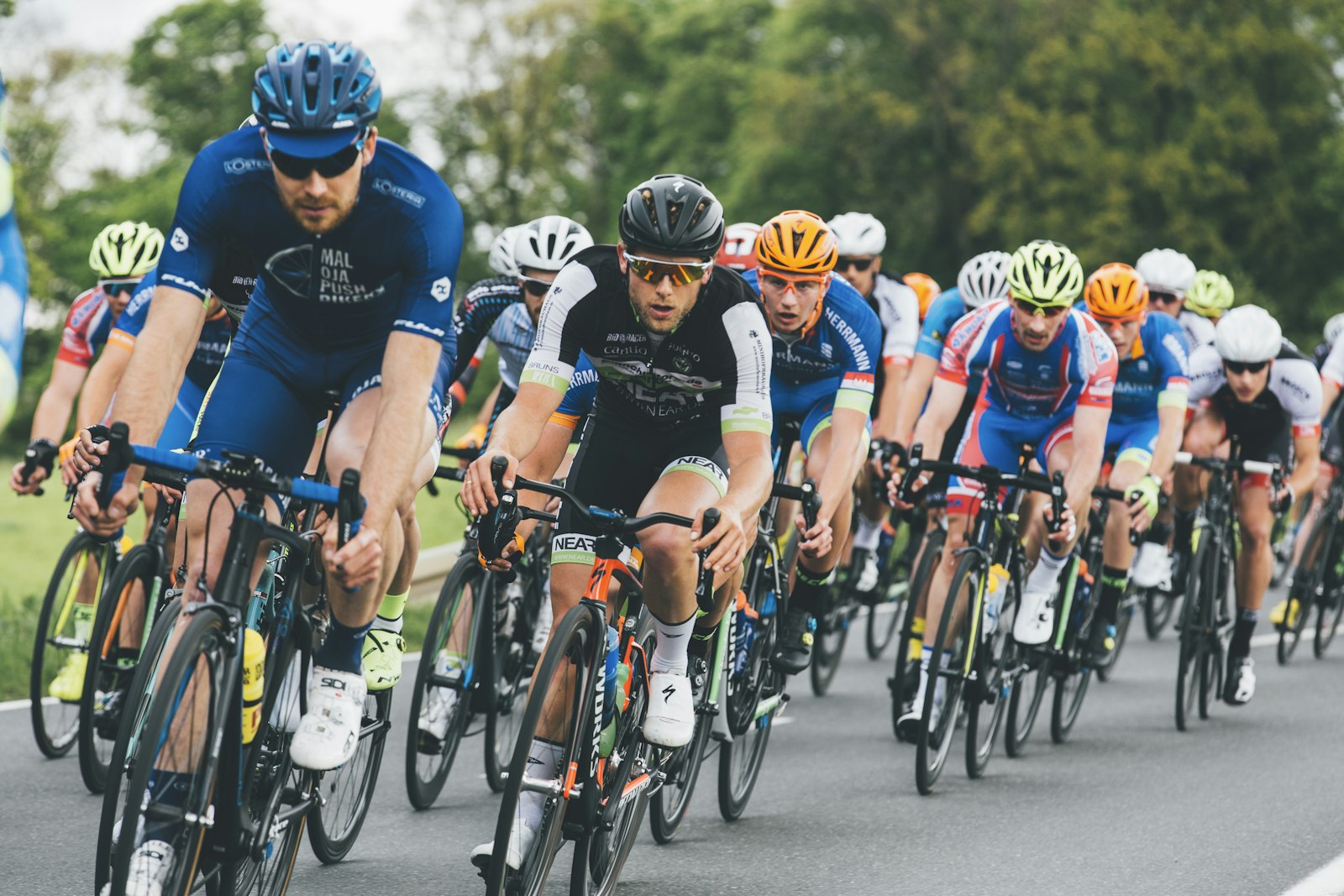
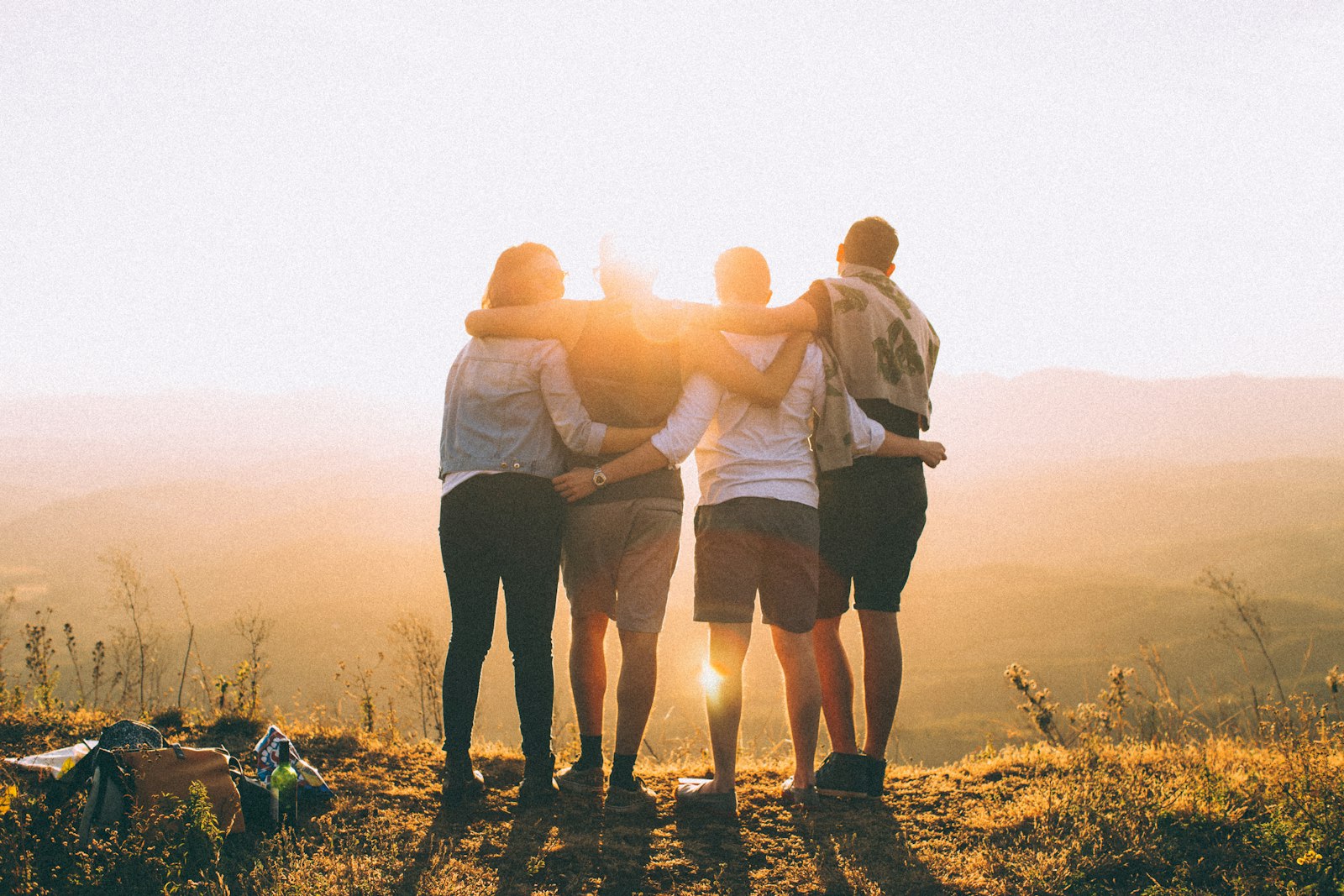
The Black Cats and other community teams use sport as a vehicle for discipline, leadership, and school retention — keeping thousands of young people on the pitch and in the classroom.
We measure success not in launches but in what happens in year seven, year ten, year fifteen. This programme's current field team includes 8 full-time staff, all Kenyan nationals, several of whom grew up in the communities they now serve.
Women Empowerment
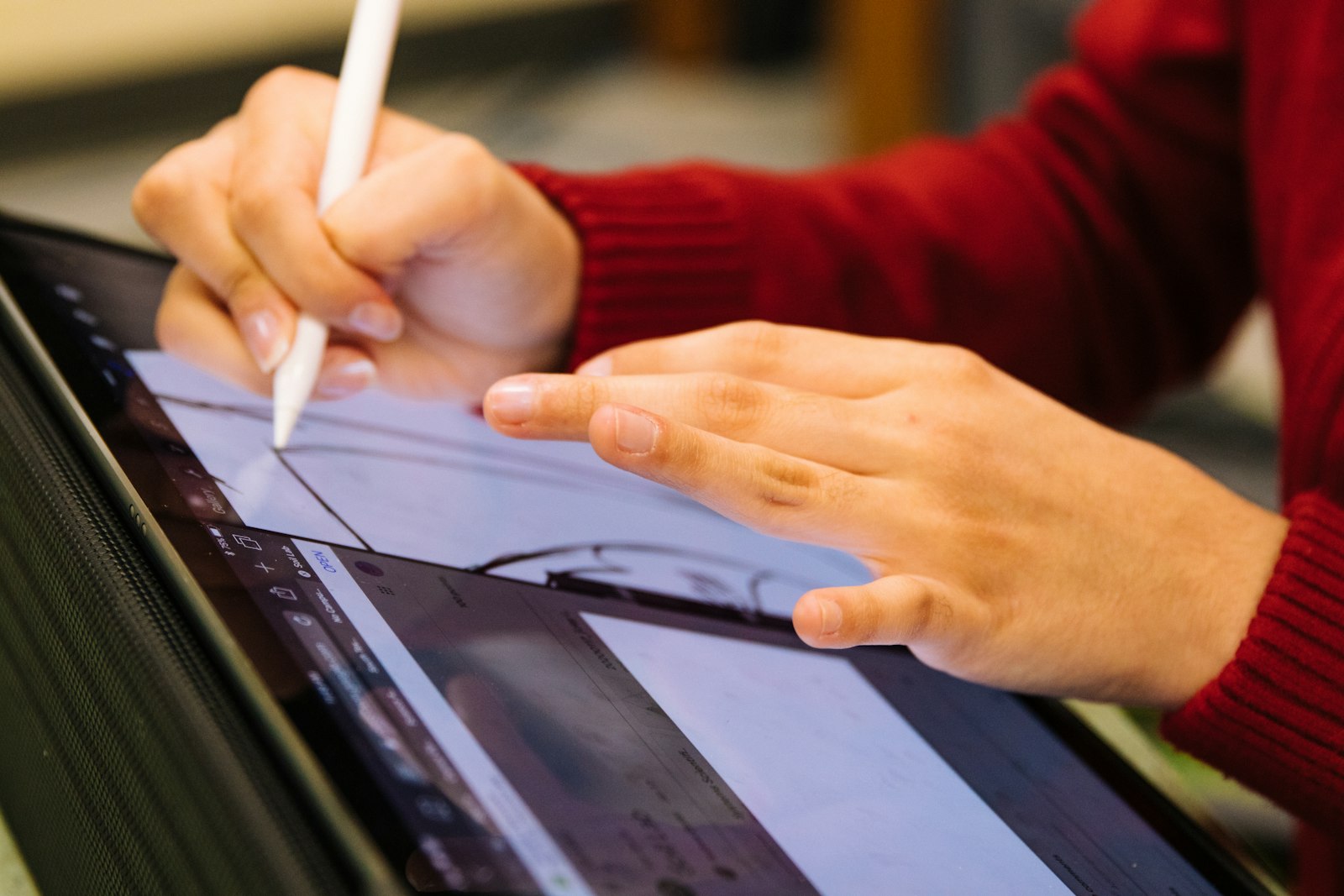
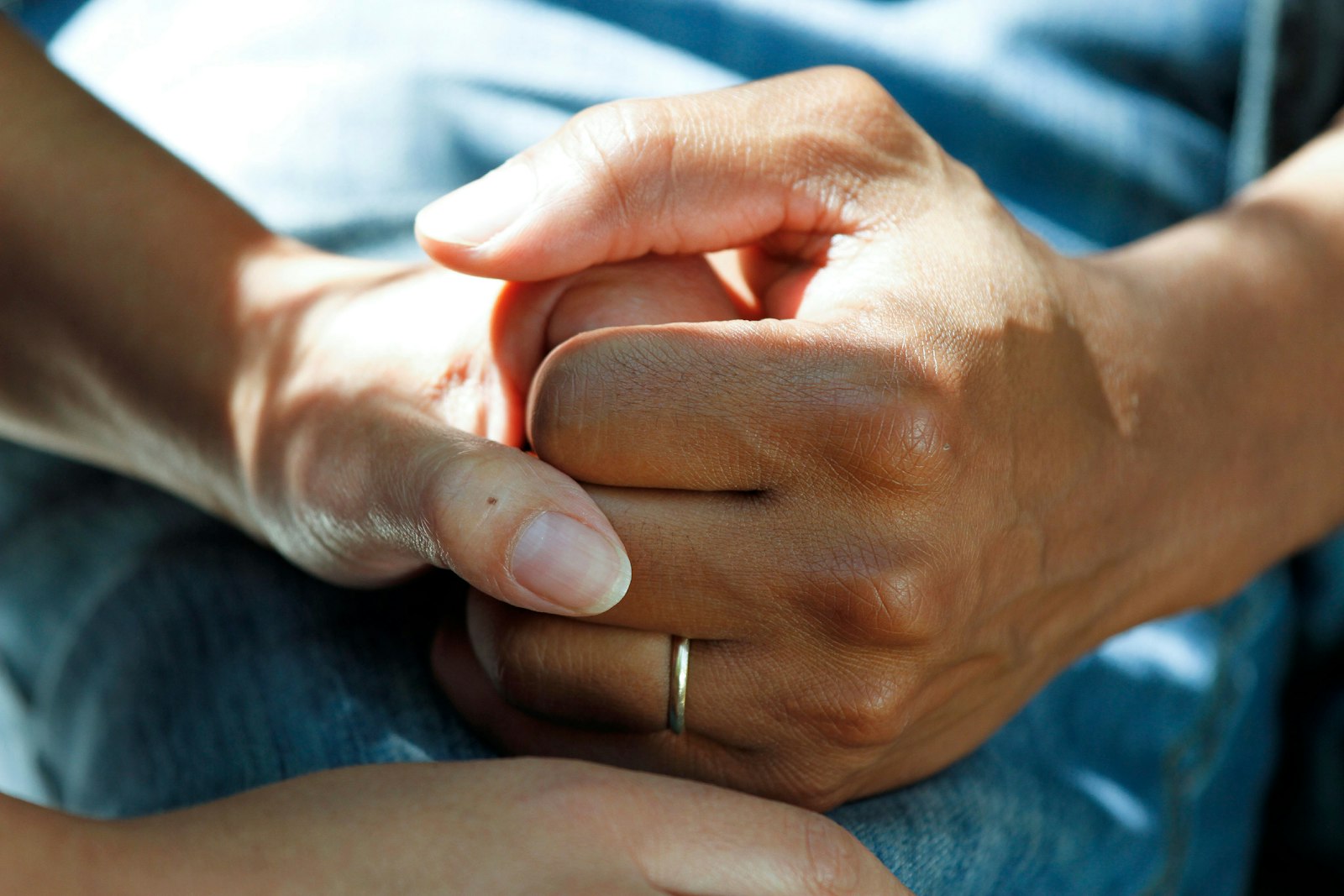
We stand alongside women's cooperatives with microfinance, business training, and safe spaces — helping mothers turn a season's harvest into a family's future.
We measure success not in launches but in what happens in year seven, year ten, year fifteen. This programme's current field team includes 9 full-time staff, all Kenyan nationals, several of whom grew up in the communities they now serve.
Youth Development
From secondary school scholarships to vocational apprenticeships, our youth programs equip the next generation of teachers, nurses, and entrepreneurs.
We measure success not in launches but in what happens in year seven, year ten, year fifteen. This programme's current field team includes 10 full-time staff, all Kenyan nationals, several of whom grew up in the communities they now serve.
Environmental Projects
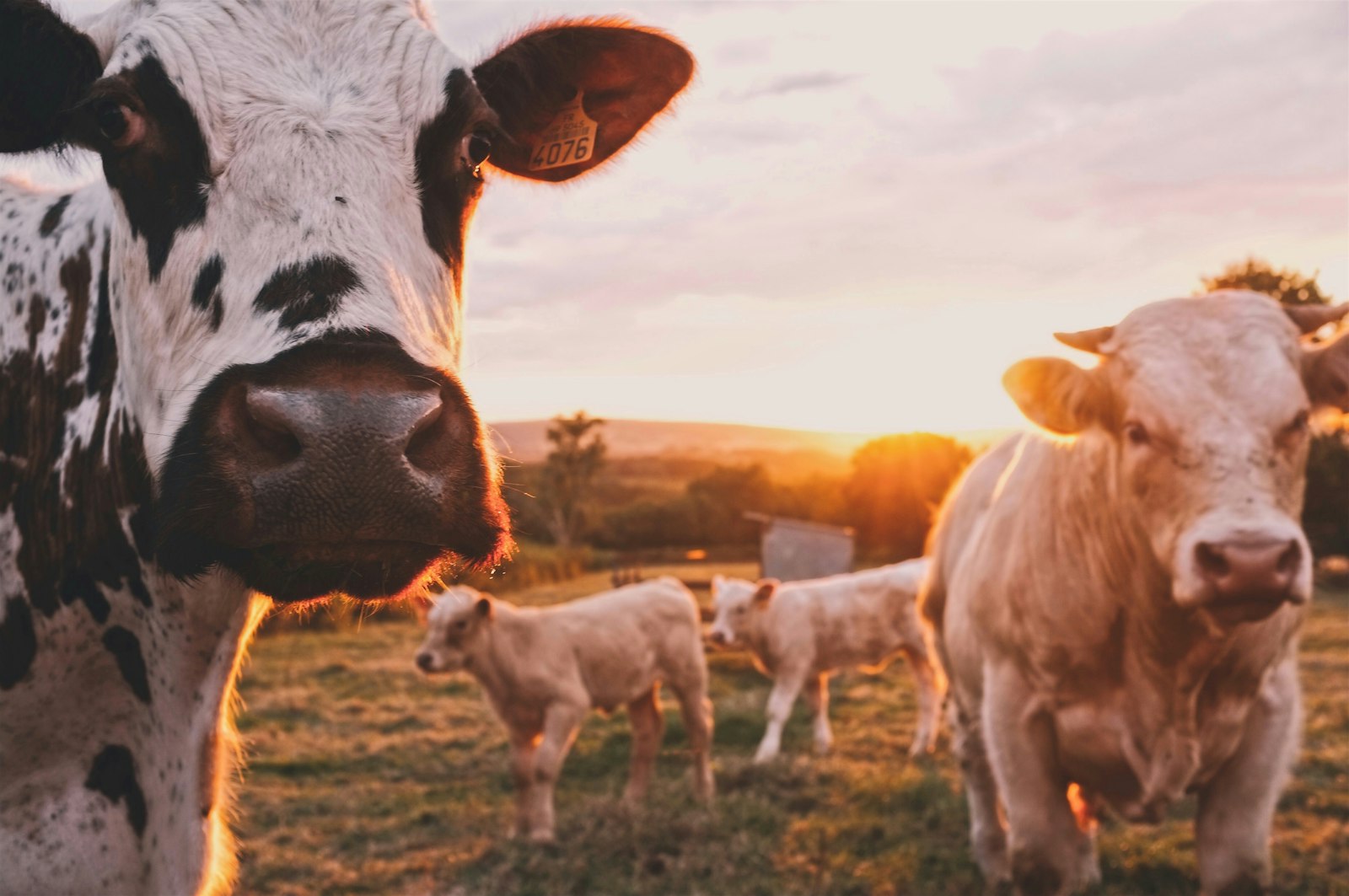
Reforestation, rainwater harvesting, and regenerative farming projects protect the land that our communities depend on — for generations to come.
We measure success not in launches but in what happens in year seven, year ten, year fifteen. This programme's current field team includes 11 full-time staff, all Kenyan nationals, several of whom grew up in the communities they now serve.
Sixteen years, patiently built.
- 2008The Trust is founded
A first classroom rebuilt in the Solio settlement, Laikipia County.
- 2011First long-term partnership
Ten-year commitment signed with the Solio community.
- 2014The Black Cats begin
A single football team becomes the seed of our sports programme.
- 2017First women's cooperative
Fifty-two women, one grain store, one turning point.
- 2020Clinic network reaches nine
Rural healthcare expands into three counties.
- 2023Scholarships pass 1,000
First cohort of scholarship graduates returns to teach in partner schools.
- 2026Two decades approaching
Reforestation programme surpasses 220,000 trees planted.
The slow way, and the fast way.
Our approach differs, in specific and often uncomfortable ways, from the standard aid playbook.
- — Short-term projects tied to fiscal years
- — Buildings built quickly by outside teams
- — Impact measured in outputs (schools built)
- — Frequent expansion to new countries
- — Volunteer trips as central strategy
- 10-year minimum commitments to every partnership
- Local labour, local materials, local timelines
- Impact measured in outcomes (children who graduate)
- Slow, deliberate deepening in three counties
- Skilled volunteers, minimum three months, safeguarded
A year in pictures.


"We do not run projects for communities. We run them with communities. It is the whole difference."
The Solio Project — where it all began.
In 2008 we walked into a two-classroom school with a leaking roof and no headteacher salary. Today, Solio Primary is a nine-classroom institution with a ninety-one percent pass rate on the national exam and three former pupils on staff.
The Solio Project remains our first and most-studied partnership — a case study in what patience, listening, and community ownership can build.
Read the story
Answers we hear most often.
Almost always the latter. Every school we support is a government school. We supplement — with teacher salaries, maintenance, textbooks, and mentoring — rather than replace. This keeps the schools sustainable within the national system after any specific project ends.
Our projects run on the patience of many small hands.
A monthly gift lets us plan a decade ahead. A one-off gift keeps a classroom warm this term. Both matter.